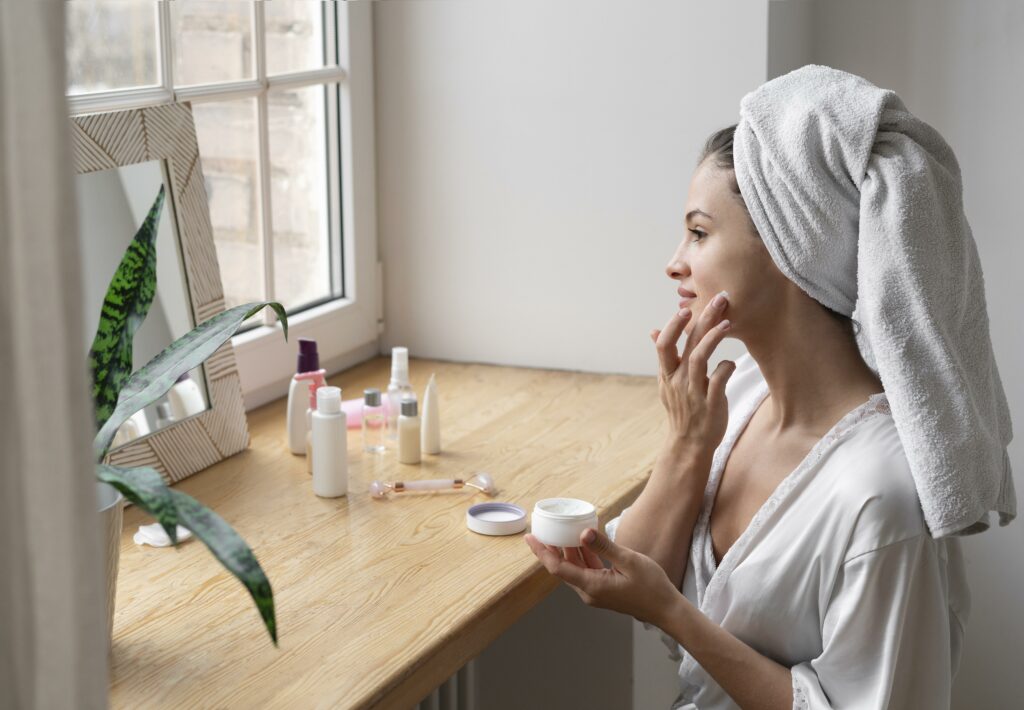
Selecting the right skincare products can be incredibly daunting with the multitude of options available. Understanding your skin type and its specific needs is essential to ensure that the products you choose actually benefit your skin. Here’s a comprehensive guide to help you navigate the selection process.
1. Identify Your Skin Type
The first step in choosing the right products is identifying your skin type. Skin types generally fall into five categories: oily, dry, combination, sensitive, and normal.
- Oily Skin: Characterized by excess sebum production, leading to a shiny appearance and possible breakouts.
- Dry Skin: Lacks moisture and may feel tight or flaky.
- Combination Skin: Features both oily and dry areas, typically an oily T-zone with dry cheeks.
- Sensitive Skin: Prone to redness, irritation, and reactions to products.
- Normal Skin: Well-balanced with minimal imperfections.
Understanding your skin type will guide your product choices, ensuring that they work harmoniously with your natural complexion.
2. Choose Cleansers Wisely
For oily skin, opt for foaming cleansers that can adequately remove excess oil and impurities without stripping your natural barrier. Dry skin types should look for creamy, hydrating cleansers that provide moisture. If you have sensitive skin, choose fragrance-free and gentle cleansers that calm irritation. Normal and combination skin types can often use a variety of cleansers but should avoid extreme formulas that are too drying or too oily.
3. Select Appropriate Moisturizers
Moisturizers are essential for all skin types, so it’s important to find one that caters to your specific needs.
- Oily Skin: Look for lightweight, oil-free moisturizers that are non-comedogenic, meaning they won’t clog pores.
- Dry Skin: Choose rich, emollient creams that provide intense hydration and lock in moisture.
- Combination Skin: Use a balanced moisturizer that hydrates without adding extra oil to the T-zone.
- Sensitive Skin: Opt for fragrance-free, hypoallergenic options that soothe and protect.
- Normal Skin: Maintain balance with a medium-weight moisturizer.
4. Incorporate Serums
Serums target specific concerns like aging, discoloration, or dehydration. If addressing multiple issues, layering serums can be beneficial.
- Oily Skin: Use salicylic acid serums to help control oil and prevent breakouts.
- Dry Skin: Hyaluronic acid serums provide deep hydration and improve moisture retention.
- Sensitive Skin: Look for serums with calming ingredients such as chamomile or aloe vera.
5. Understand Exfoliants
Exfoliation helps remove dead skin cells, promoting a brighter complexion, but the method should vary based on skin type.
- Oily and Combination Skin: Benefit from chemical exfoliants with AHAs or BHAs that penetrate deeper into pores.
- Dry and Sensitive Skin: Use gentle physical exfoliants or enzyme-based exfoliants to avoid irritation.
6. Sun Protection for All
Regardless of your skin type, sunscreen is non-negotiable. Opt for broad-spectrum SPF 30 or higher.
- Oily Skin: Seek oil-free, mattifying formulas.
- Dry Skin: Choose sunscreens with added moisturizers.
- Sensitive Skin: Mineral sunscreens containing zinc oxide or titanium dioxide are typically better tolerated.
7. Patch Test New Products
Before fully integrating a new product into your routine, perform a patch test. Apply a small amount to a discreet area and wait 24 hours to ensure no adverse reactions.
8. Be Mindful of Ingredients
Certain ingredients work better for each skin type. For example, niacinamide helps reduce oil production, making it ideal for oily and combination skin. Meanwhile, ceramides are great for strengthening dry skin barriers. Sensitive skin benefits from calming ingredients like chamomile and aloe vera.
In conclusion, choosing the right skincare products requires understanding and addressing your unique skin type’s needs. By selecting products that complement rather than contradict your skin’s natural tendencies, you can enhance your skin’s health and appearance. Additionally, staying informed about ingredients and consistently evaluating how your skin responds will allow you to make informed choices that result in a glowing, balanced complexion.